Academic Nostalgia, Lost in Old Notebooks Review
There is a specific kind of magic that happens when you look at an old, dog-eared notebook. It smells like graphite and time, and it holds the weight of lessons learned—some taught by teachers, others learned the hard way. As a designer who has stitched thousands of motifs onto everything from high-end corporate polos to delicate baby onesies, I know that capturing this feeling in thread is not just about technical precision; it is about emotional resonance. That is why Academic Nostalgia, Lost in Old Notebooks caught my eye immediately. It is not merely a graphic; it is a narrative waiting to be realized in fiber.
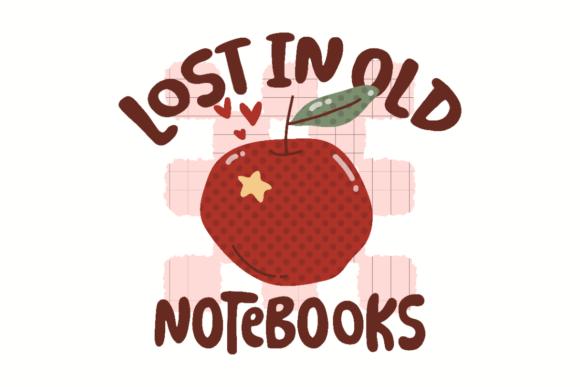
This design belongs to the Relatable Retro series, a collection that understands the power of shared cultural memory. The core visual anchor is a vibrant red apple, but as any seasoned embroiderer knows, the devil—and the delight—is in the details. My goal here is not to simply describe the image, but to evaluate how this machine embroidery design translates from a digital screen into a tangible, wearable piece of art. If you are an Etsy seller, a boutique owner, or a crafter looking to add depth to your handmade product line, read on for a practical breakdown of where this design shines and where it might trip you up.
The First Impression: Mood and Visual Personality
When I first pulled up the preview for Lost in Old Notebooks, the immediate takeaway was warmth. In a market saturated with minimalist geometric patterns and overly complex floral arrangements, this design offers a cozy, inviting aesthetic. The vibrant red apple serves as a bold focal point, creating an instant pop of color that works beautifully against neutral backgrounds. However, the "nostalgia" aspect comes through in the implied texture and layout. It feels like something you would find tucked inside a vintage library book or pinned to a corkboard in a quiet classroom.
For a craft business owner, this mood is invaluable. It bridges the gap between professional polish and personal sentiment. It is not just a logo; it is a conversation starter. When a customer sees this on a tote bag or a sweatshirt, they do not just see an apple; they remember their favorite teacher, their first day of school, or the comfort of routine. This emotional connection is what drives engagement and sales in the digital product and handmade sectors. The design personality is approachable, slightly whimsical, yet grounded enough to fit into a sophisticated brand identity.
Real-World Application: Where Does This Design Belong?
Let’s talk about utility. A beautiful design is useless if it does not translate well to the final product. I have been mentally placing Academic Nostalgia, Lost in Old Notebooks across various categories to see where it fits best.
- Custom Apparel and Sweatshirts: This is perhaps the strongest use case. Imagine this embroidered on the chest of a heather grey crewneck sweatshirt. The contrast of the red apple against the muted fabric creates a classic, timeless look. It works exceptionally well for back-to-school seasons, teacher appreciation weeks, or general autumn wear. The sweatshirt embroidery potential here is high because the design likely balances detail with enough negative space to remain legible.
- Tote Bags and Canvas Goods: For the tote bag design enthusiast, this is a natural fit. Canvas provides a sturdy surface that can handle the stitch density without puckering. Whether used for grocery runs, library visits, or as a branded bag for an Etsy seller, the nostalgic theme aligns perfectly with the utilitarian nature of a tote. It suggests intelligence, creativity, and organization.
- Baby Embroidery and Nursery Decor: Do not overlook the gentle side of nostalgia. This design can be scaled down for baby embroidery projects. A small version on a muslin blanket or a hooded towel adds a touch of whimsy that parents love. It moves away from the cliché of animals and stars, offering a more intellectual, literary vibe for the nursery. It also makes for a thoughtful personalized gift for new parents who are educators or librarians.
- Kitchen and Home Textiles: An apron or tea towel featuring this motif brings charm to the kitchen. The red apple ties into themes of home, health, and harvest. As a commercial embroidery item, it appeals to customers looking to add character to their living spaces without overwhelming them with loud patterns.
Technical Considerations and Potential Pitfalls
While the aesthetic appeal is strong, a responsible review must address the technical realities of stitching. Not every fabric and every machine setting will treat this design equally. Here is what you need to watch out for.
Fabric Texture and Stability: Because this design features a central icon (the apple) and likely some textural elements representing the "notebook" theme, fabric choice is critical. On smooth cotton or polyester blends, the stitch density should render cleanly. However, on highly textured fabrics like heavy denim or bouclé wool, the fine details may get lost. Always test on scrap fabric first. If you are working with stretchy knits, ensure you are using a proper stabilizer to prevent distortion. The hoop size must be large enough to accommodate the design without crowding, which could lead to misalignment during the run.
Thread Color Contrast: The success of this design hinges on the vibrancy of the red thread. If you are stitching on dark fabric, you will need a white underlay or a light-colored base layer to make the red pop. Conversely, on light fabrics, the red will stand out sharply. I recommend testing your thread colors against your actual garment material before committing to a bulk order. The difference in lighting between your studio and a retail store can also affect how the colors appear, so check your work in natural light if possible.
Detailed Corners and Small Lettering: If the design includes text such as "Lost in Old Notebooks," pay close attention to the font weight. Thin fonts can break or blur if the running stitch or satin stitch parameters are not optimized. Dense stitch areas around the apple stem or leaves might require a cut-away stabilizer to maintain shape over time, especially for items that will undergo frequent washing, like aprons or kitchen towels.
Strategic Advice for Sellers and Makers
If you are planning to sell finished products featuring Academic Nostalgia, Lost in Old Notebooks, presentation is key. Use high-quality mockups that showcase the texture of the embroidery. Show the design on different fabric types to demonstrate its versatility. Highlight the emotional angle in your product descriptions—talk about the memories, the comfort, and the style. This helps buyers connect with the handmade product on a deeper level.
For those selling design assets or digital embroidery files, consider offering variations. Perhaps a monochrome version for minimalist clients, or a larger version for statement pieces. Ensure you have clear licensing terms that specify whether the buyer can sell the physical items or if the file is for personal use only. Transparency builds trust and protects your intellectual property.
Finally, always inspect the final finished product for loose threads, uneven tension, or puckering. A flawless execution elevates the design from a simple graphic to a premium asset. By paying attention to these details, you ensure that the nostalgic charm of Lost in Old Notebooks is preserved and appreciated by whoever wears or uses it.
In conclusion, this design is a versatile, emotionally resonant addition to any embroidery project. It works beautifully for custom apparel, gifts, and boutique branding, provided you respect the technical requirements of stitch density and fabric stability. It is a smart choice for designers who want to blend retro aesthetics with modern craftsmanship.