Vintage Decorative Label Frame Review
As a designer who spends more time than I care to admit staring at stitch charts and testing fabric samples, I have learned that the difference between a good handmade product and a great one often comes down to the smallest details. Today, I am putting Vintage Decorative Label Frame through its paces. This is not just about whether the file runs smoothly through the machine; it is about whether this design elevates a finished product enough for a customer to pay premium prices for it. Whether you are an Etsy seller looking to refresh your boutique inventory or a hobbyist making a heartfelt gift, understanding the visual weight and practical application of your assets is crucial.
First Impressions: A Touch of Victorian Elegance
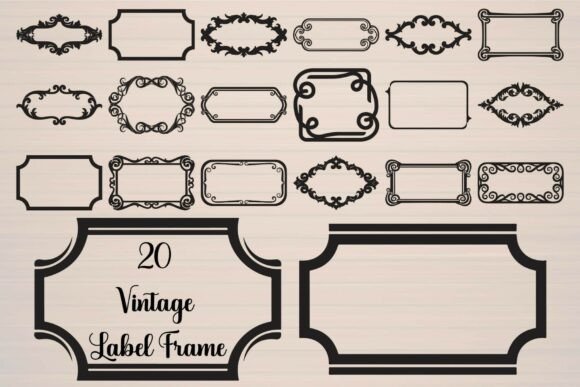
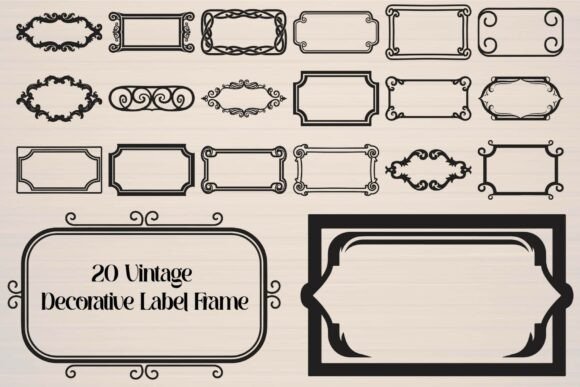
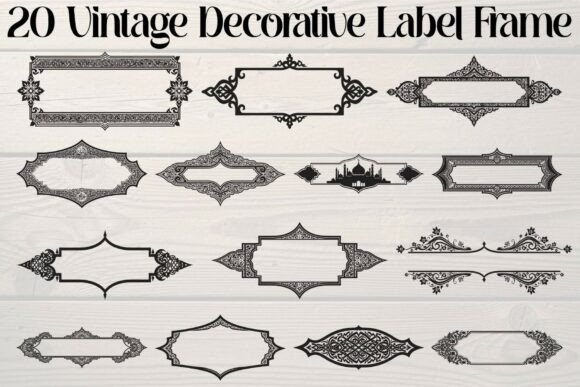
The moment you load the Vintage Decorative Label Frame Bundle, the mood shifts. There is an immediate sense of classic elegance and timeless sophistication that this design brings to the table. Inspired by Victorian ornamental styles, these 20 beautifully detailed labels possess a distinct personality. They are not merely borders; they are focal points that demand attention without shouting for it.
From a design perspective, the layout feels balanced. The intricate details suggest a high level of craftsmanship, which translates directly to perceived value in the final product. When I look at a machine embroidery design like this, I am immediately thinking about where it fits in a consumer’s life. It feels right at home on items that require a touch of nostalgia or heritage. It is the kind of detail that makes a buyer pause while scrolling through an online shop, drawn in by the promise of quality and tradition.
Real-World Application: From Sketch to Stitch
To truly evaluate this asset, we need to move beyond the screen and into the hoop. Let’s imagine a real scenario: you are preparing a custom order for a client who wants a personalized kitchen towel set for a housewarming gift. You choose a crisp white cotton tea towel and decide to place the Vintage Decorative Label Frame in the center.
Visually, the frame creates a dedicated space for text or monograms, which adds a layer of customization that customers love. However, the success of this project depends heavily on execution. On a flat surface like a tea towel or a pillow cover, the design shines. The ornamental corners provide structure, guiding the eye toward the center. But what if you take this same design and attempt it on a curved surface, like a baseball cap or a structured tote bag?
This is where careful planning is required. Embroidering intricate frames on curved surfaces can lead to distortion if the fabric is not stabilized correctly. For custom apparel like sweatshirts or hoodies, the design works beautifully on the chest area, provided the hoop size accommodates the curve without puckering. For tote bag designs, placing the frame vertically along the side seam can create a sophisticated branding element, but you must ensure the fabric is heavy enough to support the stitch density without sagging.
Apparel and Accessories
Beyond kitchen linens, this design has strong potential for small business merchandise. Imagine an embroidered patch featuring one of these frames, attached to a denim jacket or a canvas backpack. The contrast between the rugged texture of denim and the delicate Victorian lines would be striking. Similarly, for baby embroidery, using a softer thread palette within these ornate frames can create heirloom-quality christening gowns or nursery decor that feels both modern and traditional.
For holiday embroidery, such as Christmas stockings or advent calendars, the vintage aesthetic aligns perfectly with seasonal themes. It offers a warmer, more nostalgic feel compared to generic holiday motifs, helping your products stand out in a crowded market.
Technical Considerations and Potential Pitfalls
No design is perfect for every situation, and being honest about limitations is part of professional practice. While Vintage Decorative Label Frame is stunning, there are specific scenarios where you should exercise caution.
- Small Hoop Sizes: If you are working with very small hoops, the intricate details of the Victorian ornamentation may become muddy. Fine lines can merge together, losing their definition. Always test smaller versions of the design to ensure clarity.
- Fabric Texture and Stability: Textured fabrics, such as terry cloth or thick fleece, can obscure fine details. Thin or stretchy fabrics require robust stabilizers to prevent distortion. Without proper support, the satin stitch elements might pull the fabric, warping the frame shape.
- Dark Fabrics: While dark fabrics can look dramatic, they require high-contrast thread colors to make the details pop. If the thread color is too similar to the fabric, the ornate corners will disappear, leaving only a vague outline.
- Dense Stitch Areas: Be mindful of the stitch density. If the design includes large fill stitches alongside fine running stitches, the transition can sometimes look cluttered. Ensure that the background fabric is sturdy enough to handle the tension.
Additionally, if your product involves frequent washing, such as aprons or workwear, consider how the threads will hold up over time. Delicate details may wear faster than bold, simple designs. For commercial embroidery projects intended for long-term use, durability should be a primary concern alongside aesthetics.
Designing for Value and Brand Consistency
One of the most powerful aspects of using Vintage Decorative Label Frame is its impact on brand perception. In the world of Etsy sellers and craft business owners, presentation is everything. A well-executed embroidery project signals professionalism and care. When a customer receives a product with clean stitches, precise alignment, and thoughtful design choices, their trust in your brand increases.
This design helps maintain brand consistency. If you specialize in vintage-inspired goods, incorporating these frames into your design assets library ensures that every item you produce shares a cohesive visual language. It also enhances giftability; people are more likely to give a gift that looks like it was made with intention and skill. The finished product tells a story before the recipient even reads the label inside.
Practical Designer Notes Before You Start
Before you commit to a full production run or a complex client project, follow these essential steps to ensure success:
- Test on Scrap Fabric: Never skip this step. Use the exact fabric and stabilizer you plan to use for the final product. This reveals issues with puckering, thread breakage, or color mismatch early.
- Check Thread Contrast: View your design in black and white mockups to assess contrast. Ensure that the lightest and darkest threads are distinguishable against your chosen fabric.
- Inspect Small Details: Zoom in on the digital file. Are the tiny swirls and flourishes clear? If they look blurry on screen, they will likely look messy when stitched.
- Confirm Licensing: If you intend to sell the finished items or use them in digital product previews, verify the license terms. Commercial use rights vary, and protecting your business means knowing exactly what you are allowed to do.
- Review Stabilizer Needs: Based on your fabric type, select the appropriate stabilizer. Cut-away stabilizers are often best for woven garments, while tear-away may suffice for stable home decor items.
Ultimately, Vintage Decorative Label Frame is a versatile and elegant addition to any embroiderer’s toolkit. It bridges the gap between historical artistry and modern crafting trends. By approaching it with technical diligence and creative vision, you can create handmade products that resonate deeply with customers. Whether you are creating a single personalized gift or scaling up for a small shop product line, this design offers the sophistication needed to elevate your craft. Take the time to test, refine, and present your work with pride, and let the timeless beauty of the design speak for itself.