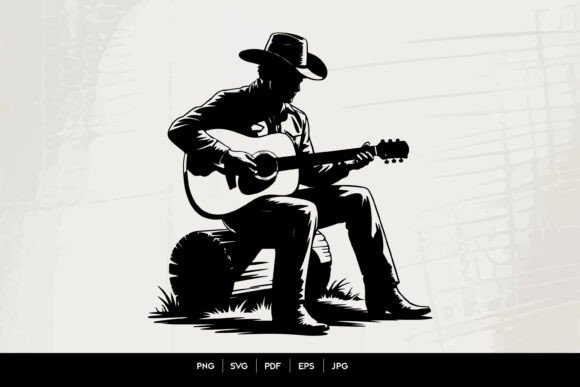
Cowboy Playing Guitar Vector Art: A Designer’s Review
As a designer who spends more time than I care to admit staring at stitch lines and fabric swatches, I approach every new digital embroidery file with a healthy dose of skepticism. The market is flooded with vector art that looks beautiful on a screen but falls apart when translated into thread. Today, I am evaluating the Cowboy Playing Guitar Vector Art package to see if it holds up in a real-world embroidery project. This isn’t just about whether the image is pretty; it is about whether it works for your craft business, your Etsy listings, or that personalized gift you are making for a client.
First Impressions: Mood and Visual Personality
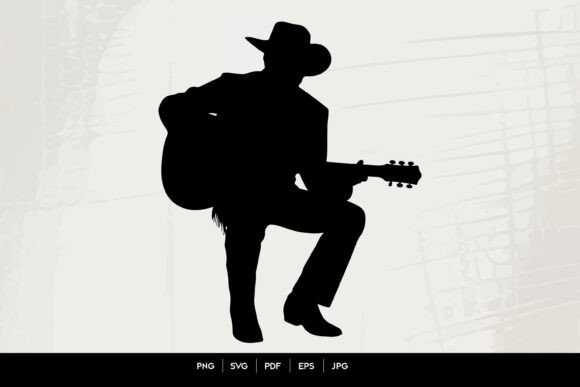
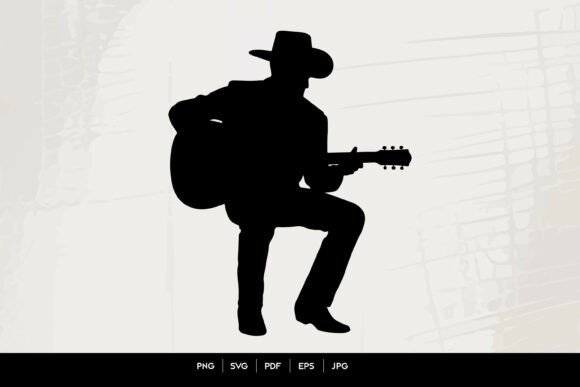
The moment you load the Cowboy Playing Guitar Vector Art into your digitizing software, the mood is established immediately. It captures the essence of the American West without being overly cluttered. We are dealing with a silhouette-based design featuring a cowboy and an acoustic guitar. For those in the Graphics and Crafts sectors, this distinction is vital. Silhouettes are forgiving in embroidery because they rely on solid shapes rather than intricate line work that can get lost in fabric texture.
The visual personality here is rustic, vintage, and slightly nostalgic. It evokes images of ranch life, rodeo culture, and late-night campfire songs. When I look at this asset, I don’t just see a cowboy; I see a story. That narrative quality is exactly what drives sales in the handmade product space. Customers do not buy embroidery; they buy feelings. This design promises warmth, authenticity, and a touch of wild west charm. It feels balanced, with the figure and instrument occupying space in a way that suggests movement without chaos.
Real-World Application: Where Does This Design Belong?
Let’s move past the screen and talk about the needle. If I were preparing a custom order for a boutique client, where would I place the Cowboy Playing Guitar Vector Art? My first instinct is sweatshirt embroidery on the chest or back yoke. The bold nature of a silhouette translates exceptionally well on heavy cotton blends found in premium hoodies. It creates a striking contrast, especially when paired with high-quality wool yarns in earth tones like rust, forest green, or deep navy.
However, the versatility of this machine embroidery design extends far beyond outerwear. Consider a tote bag design for a music festival or a country-themed event. The sturdy canvas of a tote bag can handle the density required for the guitar body and the cowboy’s hat brim. Alternatively, imagine this as an embroidered patch attached to a denim jacket or a baseball cap. The clean edges of the vector allow for a crisp applique finish if you choose to use that technique, adding dimension and durability to the finished product.
I also see strong potential in home decor. A pillow cover made from linen or burlap could showcase the vintage aesthetic beautifully. The design’s simplicity allows it to serve as a focal point without overwhelming the room’s ambiance. For small shop products, think about kitchen towels or tea towels. The western theme fits perfectly in a farmhouse-style kitchen, appealing to buyers who love rustic decor.
Technical Performance and Stitch Clarity
When evaluating any embroidery file, clarity is king. Because the source is vector art (available in SVG, EPS, and PDF formats), the foundation is solid. However, the final result depends entirely on how it is digitized. Assuming a competent digitization process, the silhouette format minimizes the risk of "thread breaks" or messy transitions between colors. The lack of fine detail means we can focus on stitch density and coverage.
For the guitar, a combination of fill stitch for the body and satin stitch for the neck and tuning pegs would yield a professional look. The cowboy’s silhouette might benefit from a light running stitch outline to define the shape against darker fabrics, or simply rely on the contrast of the fill stitches. If you are using this as an applique design, the vector paths provide excellent boundaries for cutting stabilizer or backing fabric, ensuring a clean edge that looks intentional and polished.
One thing to note is the balance of negative space. In the original vector, there is likely open space around the figure. In embroidery, this empty area needs to be filled with either background stitching or left as the natural fabric color. If the fabric has a busy pattern, the Cowboy Playing Guitar Vector Art might get visually drowned out. It performs best on solid-colored backgrounds where the shape can stand alone.
Where to Use Caution
Not every surface is created equal. While this design is robust, there are scenarios where it may struggle. Avoid attempting this on stretchy fabric like thin jersey knits without proper stabilization, as the tension required for the fill stitches could pucker the material. Similarly, on curved surfaces like the front panel of a fitted cap, the large scale of a cowboy and guitar might distort if the hoop does not sit flat.
Be mindful of small hoop sizes. If you try to reduce the design too much, you lose the character. The guitar strings and the cowboy’s facial features (if implied by the silhouette) need enough room to breathe. On dark fabric, ensure your thread selection offers sufficient contrast. A black silhouette on a black shirt will vanish, whereas a white or cream thread will pop. Always test your thread colors against your actual fabric before committing to a full production run.
Impact on Brand Value and Customer Trust
In the world of Etsy sellers and creative entrepreneurs, presentation is everything. Using a high-quality design asset like this one signals professionalism. When a customer receives a personalized gift or a piece of custom apparel that looks sharp and well-executed, their trust in your brand increases. They perceive the item as higher value, which justifies a better price point.
The western theme is evergreen, but it peaks during specific seasons. This design is perfect for holiday embroidery gifts, particularly around Fourth of July, Rodeo events, or autumn harvest festivals. By incorporating this embroidery project into your seasonal collections, you tap into existing cultural moments, making your products more relevant and desirable. Furthermore, the inclusion of multiple file formats (PNG, JPG, SVG, EPS, PDF) allows you to create stunning printable mockups for your online store. You can show potential buyers how the design looks on different garments, reducing hesitation and boosting conversion rates.
Practical Notes for the Embroidery Designer
Before you rush to the machine, follow these practical steps to ensure success:
- Test on Scrap Fabric: Always run a test stitch-out on the exact fabric and stabilizer you plan to use. This reveals puckering issues, thread tension problems, or color mismatches early.
- Check Stitch Density: Ensure the digitized file does not have excessive layers of thread, which can make the embroidery stiff and uncomfortable to wear. The goal is a soft hand feel.
- Review Small Details: Even in silhouettes, small elements like the guitar strap or hat band need to be clear. Zoom in on the digital preview to confirm these details remain visible after stitching.
- Confirm Licensing: As a responsible creator, verify the license terms associated with the Cowboy Playing Guitar Vector Art package. Determine if you are allowed to sell finished physical items or if the usage is restricted to personal projects only.
- Use Proper Stabilizer: Depending on the fabric weight, select the appropriate cut-away or tear-away stabilizer to support the stitch density and prevent distortion.
Ultimately, the Cowboy Playing Guitar Vector Art is a versatile, mood-rich asset that serves both hobbyists and professionals well. Its strength lies in its simplicity and thematic appeal. By treating it with the technical care it deserves—choosing the right fabric, thread, and stabilization—you can transform this vector graphic into a tangible, cherished handmade product that resonates with customers. Whether you are decorating a nursery wall hanging or branding your next line of commercial embroidery tees, this design offers a reliable foundation for creative success.