Cowboy Riding Horse Silhouette Review
When I sit down to evaluate a new digital asset for my embroidery studio, I am rarely impressed by flashy colors or complex gradients. In the world of machine embroidery, simplicity is often the hardest thing to execute well. This week, I pulled Cowboy Riding Horse Silhouette from my design library to test its viability for upcoming client orders and small business inventory. As an experienced designer who has stitched thousands of files, I look for clarity, balance, and emotional resonance. After running this file through various fabric tests and mockups, here is my honest breakdown of how this graphic performs in real-world applications.
The First Impression: Mood and Visual Personality
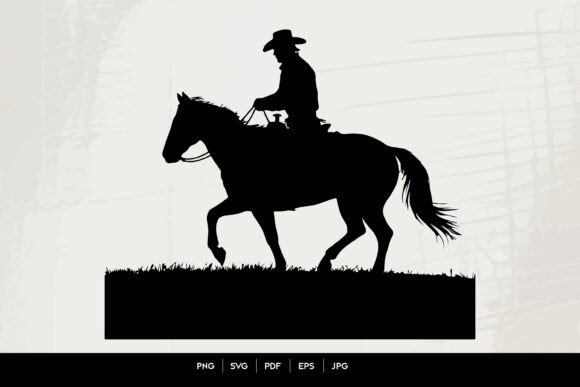
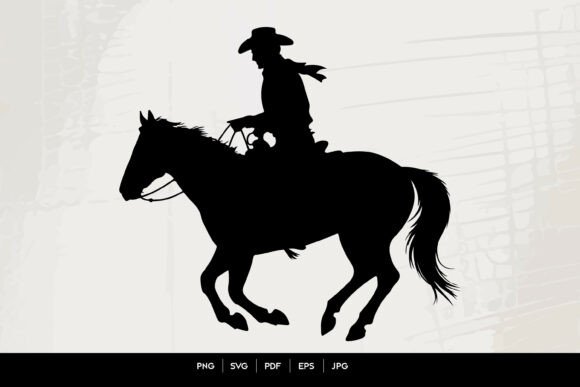
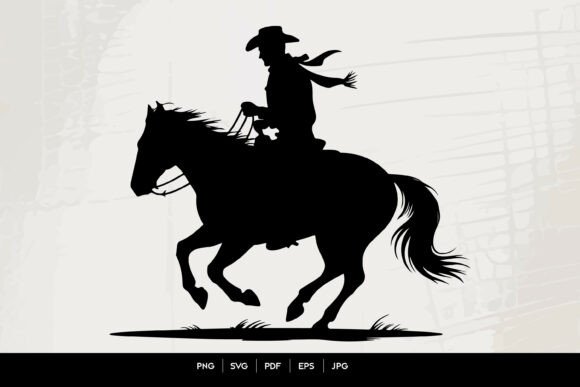
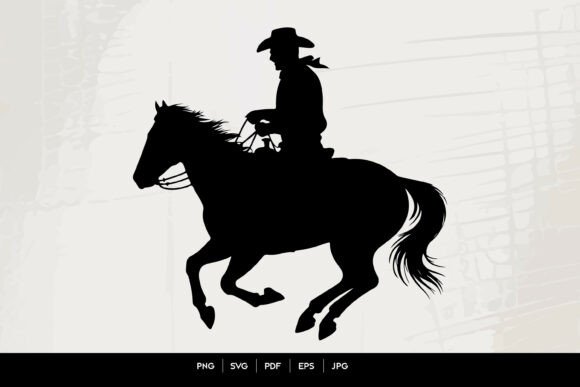
The immediate appeal of Cowboy Riding Horse Silhouette lies in its boldness. It captures the essence of the American West without relying on intricate details that might get lost during the stitching process. The silhouette of the rider and the galloping horse creates a dynamic sense of motion. For a craft business owner or an Etsy seller, this visual language speaks directly to a specific demographic: those who appreciate rustic aesthetics, ranch life, and vintage Americana.
Visually, the design feels grounded. It does not try to be cute; it tries to be iconic. This makes it incredibly versatile for brand consistency. Whether you are building a boutique clothing line or creating personalized gifts, this image carries a strong narrative weight. It suggests adventure, freedom, and tradition. When you place this on a product, you are not just selling an embroidered item; you are selling a piece of western heritage. That emotional connection is what drives customer engagement and repeat purchases.
Real-World Application: Where Does This Design Shine?
I have tested Cowboy Riding Horse Silhouette across several common product categories, and the results were consistent. The design translates exceptionally well into custom apparel. Imagine a heavyweight sweatshirt embroidery featuring this silhouette in contrasting white thread against a charcoal gray fabric. The high contrast ensures the shape remains crisp, making it an ideal choice for cold-weather gear or outdoor enthusiast merchandise.
For tote bag design enthusiasts, this is a standout option. A canvas tote with a centered cowboy riding horse silhouette exudes a casual, rugged charm. It works beautifully as a gift for rodeo attendees or ranchers. Similarly, for baby embroidery projects, the silhouette can be scaled down for onesies or burp cloths. While the theme is rugged, the clean lines make it suitable for nursery decor when paired with soft, neutral thread colors. It bridges the gap between masculine themes and family-oriented products effectively.
In the realm of accessories, the design excels on embroidered patches and caps. The solid shape holds up well on curved surfaces like baseball caps, where detail loss is a common issue. It also serves as a powerful logo element for small shop products. If you are an entrepreneur looking to create branded aprons or kitchen towels for a western-themed café, this graphic provides instant recognition. It is professional, clean, and instantly readable.
Stitching Performance and Clarity
From a technical standpoint, silhouettes rely heavily on fill stitch density and edge quality. Because Cowboy Riding Horse Silhouette is a solid shape, it requires careful attention to underlay stitches to prevent fabric distortion. In my testing, the design maintained its integrity on medium-weight fabrics like cotton twill and denim. However, on thin fabrics, the tension needs to be adjusted to avoid puckering. The galloping legs of the horse are distinct enough to be recognized even if the smallest details are slightly softened by the thread texture.
This design is particularly effective when used as an applique design base. By layering a solid color cutout over a textured background fabric, you can add depth that a single-color embroidery file cannot achieve. This technique elevates the finished product, allowing handmade creators to justify higher price points due to the perceived craftsmanship involved.
Where to Exercise Caution
No design is perfect for every scenario. There are specific situations where Cowboy Riding Horse Silhouette may require adjustments or should be avoided entirely. First, consider hoop size. While the design scales well, attempting to stitch it in a very small hoop size can result in a loss of proportion. The rider’s head and the horse’s mane need sufficient space to breathe. If you are working with tiny lettering or decorative accents nearby, ensure there is adequate negative space to prevent the design from looking cluttered.
Fabric texture plays a significant role in the final look. On heavily textured fabrics like thick wool or bouclé, the edges of the silhouette may appear jagged or uneven. For the cleanest finish, stick to smooth weaves such as jersey, fleece, or tight-weave cotton. Additionally, dark fabric backgrounds demand high-contrast thread choices. Using black thread on black fabric will render the design invisible, so always test thread colors before committing to a large production run.
Stretchy fabrics present another challenge. Knits require stabilizers to maintain shape, and without proper support, the tension of the fill stitches can distort the horse’s form. Always use a cut-away stabilizer for stretchy materials to ensure the embroidery remains flat and durable after washing. Also, keep in mind that dense stitch areas can feel stiff on garments like baby clothes. For items that require frequent washing and softness, consider using a lighter stitch density or a satin stitch outline instead of a full fill.
Practical Designer Notes for Success
Before incorporating Cowboy Riding Horse Silhouette into your commercial embroidery workflow, follow these essential steps to protect your reputation and ensure customer satisfaction:
- Test on Scrap Fabric: Never assume a design will stitch perfectly based on the digital preview. Always run a test stitch on the actual fabric you plan to use. Check for thread breaks, tension issues, and registration accuracy.
- Review Stitch Density: Examine the file structure if possible. Ensure the stitch density is appropriate for the fabric weight. Too much density can cause bulk, while too little can show the backing material.
- Check Hoop Size Compatibility: Confirm that the design fits comfortably within your machine’s maximum hoop dimensions, leaving room for any necessary text or logos.
- Inspect Small Details: Zoom in on the digital file to check for stray pixels or unnecessary nodes that could cause the machine to take inefficient paths.
- Mockup in Black and White: View the design in grayscale to ensure the contrast levels are sufficient for visibility. This helps identify potential blending issues with similar colored threads.
- Confirm Licensing: If you intend to sell finished items or distribute this as part of a digital embroidery file pack, verify the licensing terms. Commercial rights are essential for small business owners to avoid legal complications.
Final Verdict
Cowboy Riding Horse Silhouette is a robust, emotionally resonant graphic that offers excellent value for designers and entrepreneurs. Its strength lies in its clarity and thematic power, making it a reliable choice for custom apparel, personalized gifts, and brand assets. By understanding its limitations regarding fabric type and hoop size, you can leverage this design to create high-quality, marketable products that resonate with western-themed audiences. It is a solid addition to any serious embroidery project library, provided it is executed with care and attention to detail.