Review: Ice Cream Sundae Line Art for Embroidery
When I am scouting for a new machine embroidery design to add to my library, I am not just looking for something cute; I am looking for versatility. As a designer who frequently creates assets for small business owners and Etsy sellers, I know that the difference between a product that sells and one that sits on a shelf often comes down to the clarity of the artwork and how well it translates from screen to fabric. Today, I am evaluating a file titled Ice Cream Sundae Line Art. At first glance, it promises a minimalist aesthetic, but the real question is whether it holds up under the needle.
The First Impression: Minimalist Charm Meets Practicality
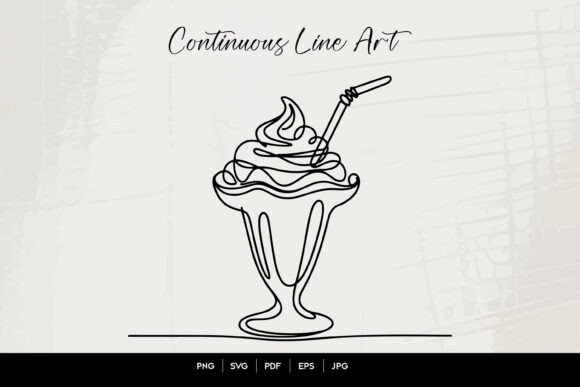
The moment you open the file, which includes formats like PNG, SVG, EPS, PDF, and JPG, the appeal is immediate. This is not a cluttered, heavy-handed graphic with excessive shading or complex gradients. Instead, it relies on continuous line art—a single, unbroken stroke that defines the shape of an ice cream sundae complete with whipped cream, a cherry, and perhaps a straw. For those of us in the craft business, this simplicity is a double-edged sword. It offers a clean, modern look that fits perfectly into contemporary branding, but it also demands precision in execution.
The mood of this design is undeniably light and summery. It evokes feelings of nostalgia, casual cafe culture, and sweet treats. Visually, it feels approachable and friendly. However, as an experienced reviewer, I have to look past the pretty preview image. The "one-line drawing" style means there are no internal details to break up large spaces. This is crucial because it tells me immediately that this design will likely rely on specific stitch types to create texture and definition, rather than relying on intricate detail within the lines themselves.
Real-World Application: From Tote Bags to Baby Gear
I recently had a client request a custom embroidered tote bag for a summer pop-up shop. They wanted something that screamed "fresh treat" without being overly childish. I pulled this embroidery file to test. Because the design is essentially an outline, it works beautifully on canvas totes where the natural weave of the fabric provides enough texture to complement the smoothness of the thread. When stitched, the continuous line creates a sophisticated silhouette that looks intentional and high-end, rather than like a basic clipart application.
But its utility extends far beyond summer bags. I see this design fitting seamlessly into several other categories:
- Baby Embroidery: The soft, rounded shapes of the sundae cup and toppings make it perfect for baby onesies or burp cloths. It is gender-neutral and universally appealing, making it a strong candidate for personalized gifts for baby showers.
- Kitchen Textiles: Imagine this stitched onto a flour sack towel or a tea towel. The fabric texture of cotton blends well with the linear style, creating a cozy, homey vibe that appeals to homeowners who love baking and dessert themes.
- Holiday Embroidery: While ice cream is associated with summer, this design can be adapted for year-round use. On a dark navy sweatshirt, it pops with white or pastel threads, offering a subtle nod to winter comfort foods if styled correctly.
- Apparel Decor: For custom apparel, such as crewneck sweatshirts or hoodies, the design serves as a great focal point. It is small enough to be placed on the chest pocket area but detailed enough to catch the eye.
Technical Performance and Stitching Considerations
This is where the rubber meets the road. A beautiful vector does not always equal a beautiful stitch-out. Because this is a line art piece, it likely utilizes running stitches or satin stitches to define the edges. If you are planning to use this for commercial embroidery, you need to pay close attention to the stitch density.
If the line is too thin and the stitch density is too low, the design may look sparse or wobbly on stretchy fabrics like jersey knits. Conversely, if you apply too much fill or dense satin around a simple line, you risk distorting the delicate nature of the artwork. I recommend testing this design on scrap fabric first. Check how the thread colors interact with your chosen background. Since the design is monochromatic in its concept, using contrasting thread colors—like a bright red cherry against a white outline on a blue shirt—can add necessary visual interest.
Also, consider the hoop size. This design appears compact, which makes it ideal for smaller hoops. This is advantageous because smaller hoops mean less movement for the fabric, resulting in cleaner stitching. However, if you are scaling it up significantly, ensure that the software handles the interpolation correctly so the lines remain crisp and do not become jagged or pixelated in the final output.
Where to Exercise Caution
While versatile, this design is not without its pitfalls. I would advise against using this on highly textured fabrics like heavy tweeds or bouclé, as the fine lines might get lost in the weave. Similarly, on very thin or sheer fabrics, the tension required to keep the line taut might cause puckering unless a proper stabilizer is used. In such cases, a tear-away stabilizer behind the fabric can provide the necessary support without adding bulk.
Another area to watch is curved surfaces like caps. While the design is flexible, the continuous nature of the line might distort if the curve is too sharp. It is best suited for flat panels or gently curved areas like the front of a baseball cap or the side of a bucket hat. Avoid placing it on the back of a cap where the curvature is more pronounced, as the perspective shift might make the sundae look skewed.
Brand Consistency and Customer Trust
For Etsy sellers and small shop products, presentation is everything. This design lends itself well to clean, printable mockups. Because it is minimalist, it photographs easily and looks professional in digital previews. Customers trust brands that present their items clearly, and a crisp, well-executed embroidery design signals quality. When a buyer sees a finished product with clean lines and no loose threads, they are more likely to believe that the rest of the product—the stitching, the materials, the packaging—is also of high quality.
Furthermore, the universal appeal of the subject matter ensures broad marketability. Whether you are targeting students, young professionals, or parents, the ice cream sundae theme resonates across demographics. It is a safe yet stylish choice that rarely goes out of fashion.
Final Verdict
Ice Cream Sundae Line Art is a solid addition to any design assets collection. Its strength lies in its simplicity and adaptability. It works exceptionally well for tote bag designs, kitchen textiles, and baby items. However, success depends entirely on your technical execution. Always check your thread colors, use the correct stabilizer, and test on your actual production fabric before committing to a full run. If you treat it with the respect a delicate line art requires, this design will serve you well in both personal projects and profitable commercial ventures.
Before you start selling, remember to confirm the licensing terms associated with the file. Even if you own the digital download, some licenses restrict commercial use or require attribution. Clear communication with your customers about the handmade nature of your goods builds loyalty, and starting with a high-quality, thoughtfully executed design is the best way to build that foundation.