Review: Make Good Things Embroidery Design
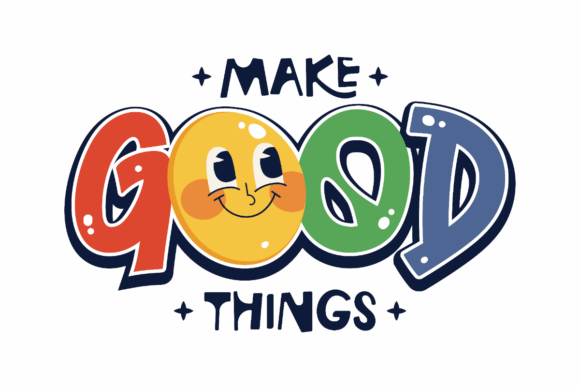
As a designer who spends half the day staring at stitch paths and the other half worrying about thread tension, I don’t just buy designs; I vet them. I look for that elusive balance between aesthetic charm and technical feasibility. When Make Good Things landed in my review queue, it promised a specific vibe: vibrant, retro-inspired positivity with a blushing smiley face integrated into bold typography. My job was to determine if this graphic could survive the transition from a digital screen to the needle of an embroidery machine without losing its soul—or its structural integrity.
First Impressions and Visual Personality
The moment you open the file, the energy is unmistakable. The design leverages a cheerful, almost nostalgic aesthetic that feels right at home in today’s handmade market. The integration of the smiley face into the lettering is clever, creating a unified visual anchor rather than two separate elements fighting for attention. The multi-colored typography suggests a playful, energetic mood, perfect for projects that need to pop on a shelf or catch the eye in a social media feed.
From a pure design standpoint, the layout is balanced. It doesn’t feel cluttered, which is a common pitfall in text-heavy graphics. However, as any seasoned embroiderer knows, what looks good on a monitor can behave very differently under tension. The "retro-inspired" nature of the graphic implies bold lines and distinct color blocks, which generally translates well to digitizing. It gives the machine clear instructions, reducing the risk of messy transitions or tangled threads. This isn’t just a pretty picture; it’s a machine embroidery design with a clear visual hierarchy that guides the eye from the face to the message.
Real-World Application: Where Does It Shine?
I’ve been thinking about where Make Good Things would actually sell or get used most effectively. The versatility here is high, but some applications are stronger than others. Let’s look at a few scenarios where this design truly comes alive.
- Tote Bag Projects: A canvas tote bag is perhaps the natural habitat for this graphic. The sturdy fabric can handle the weight of the fill stitches required for the bold typography. Placing the design centrally or slightly off-center creates a statement piece that feels both artisanal and trendy. For an Etsy seller, this is a low-risk, high-reward item. The positive message appeals to a broad audience, from students to professionals looking for a daily affirmation.
- Sweatshirt Embroidery: There is something inherently cozy about seeing a cheerful face stitched onto heavy cotton fleece. This design works beautifully for unisex sweatshirts or oversized hoodies. The contrast between the soft, matte texture of the fabric and the sheen of the polyester embroidery thread adds depth. It transforms a basic garment into a custom apparel item that feels personal and thoughtful.
- Baby and Nursery Items: The blushing smiley face softens the boldness of the text, making it suitable for baby gifts. Imagine this embroidered on a muslin blanket or a small bib. The colors, assuming they are chosen carefully to avoid being too neon, can create a warm, inviting atmosphere. It serves as a perfect personalized gift for new parents who appreciate modern, minimalist-yet-playful decor.
- Applique and Patch Potential: While primarily a graphic, the distinct shape of the smiley face allows for creative interpretation. Some designers might opt for an applique design approach, using contrasting fabrics for the face and stitching over the edges with a satin stitch. This adds a tactile dimension that flat embroidery lacks, increasing the perceived value of the handmade product.
Technical Considerations and Stitch Density
Here is where we need to get practical. The success of Make Good Things hinges on how the digitizer handled the stitch density. Bold typography often requires dense fill stitches to ensure the letters are opaque and legible. If the density is too high, the fabric may pucker, especially on lighter materials. If it’s too low, the background fabric might show through, ruining the clean look of the retro font.
Before committing to a full production run, I always advise testing the embroidery file on scrap fabric. Pay close attention to the corners of the letters and the curves of the smiley face. These are the areas where thread breaks or tension issues usually manifest. Also, consider the hoop size. Ensure your machine’s hoop can accommodate the full width of the design without awkward re-hooping, which can misalign the registration.
Thread color selection is critical. The original graphic likely uses bright, saturated hues. To maintain that vibrancy, use high-quality polyester or rayon threads. Cheap threads can look dull and fuzzy after washing, undermining the professional finish of the project. Furthermore, inspect the running stitch details if any are present; they should be clean and not overly long, which can lead to tangling.
Where to Exercise Caution
Not every surface is created equal, and Make Good Things has limitations. Avoid placing this design on thin, slippery fabrics like silk or chiffon without a heavy-duty stabilizer. The weight of the embroidery could distort the delicate material. Similarly, stretchy knits require careful stabilization to prevent the design from warping during wear.
Be wary of small hoop sizes. Attempting to reduce the scale of this design too much will compromise the readability of the text. Tiny lettering is difficult to stitch cleanly and often results in a muddy appearance. Additionally, dark fabrics can challenge the visibility of lighter thread colors. Always test contrast by holding the thread skeins against the fabric before starting.
Commercial Viability and Branding
For craft business owners and small shop product creators, this design offers strong commercial potential. It fits seamlessly into categories like holiday embroidery (as a general gift), wedding favors, or boutique branding. The positive message resonates emotionally, which drives engagement. Customers are more likely to share photos of their purchases if the design makes them feel good.
However, remember to check licensing terms. If you plan to sell finished items, ensure you have the appropriate commercial rights. Using a digital embroidery file without proper permission can lead to legal issues. Also, when creating printable mockups for your online store, ensure the lighting and angles accurately represent the texture and color of the actual embroidery. Over-editing can lead to customer dissatisfaction if the physical finished product differs significantly from the image.
Final Verdict
Make Good Things is a solid addition to any designer’s library. It combines aesthetic appeal with practical usability, provided you respect the technical constraints of embroidery. It shines on stable fabrics like canvas and fleece, making it ideal for totes, sweatshirts, and baby items. By paying attention to stitch density, thread quality, and stabilization, you can transform this graphic into a professional, market-ready asset. It’s not just a design; it’s a tool for spreading positivity, one stitch at a time.