Telephone Silhouette Illustration Review
As a designer who spends half my life staring at stitch maps and the other half troubleshooting tension issues on vintage machines, I don’t just look for "pretty" graphics. I look for viability. When Telephone Silhouette Illustration landed in my inbox, my first thought wasn’t about nostalgia—it was about execution. Would this vector hold up under the needle? Would it translate well to fabric? And most importantly, would it sell?
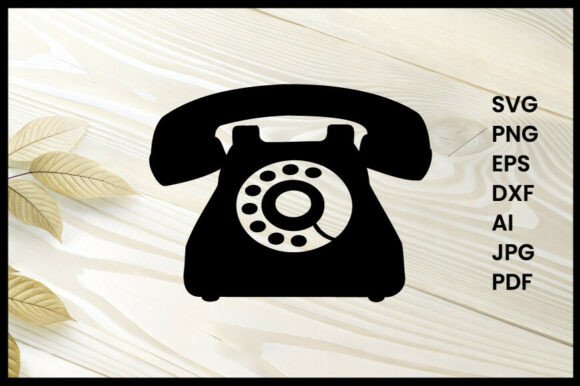
The product is categorized under Crafts and Graphics, described as a retro telephone silhouette vector showcasing vintage communication design. It’s marketed as a "download and print" asset suitable for various applications. But for us in the embroidery world, "print" is only half the battle. The real test is how that clean, digital line art behaves when converted into thread.
First Impressions: Mood and Visual Personality
The immediate appeal of Telephone Silhouette Illustration lies in its simplicity. It captures the essence of mid-century communication without getting bogged down in unnecessary details. There is a certain warmth to the shape—a rounded receiver, a sturdy base—that evokes a sense of connection and history. In an era of instant messaging, there is something deeply comforting about stitching a symbol of deliberate, voice-to-voice conversation.
Visually, the silhouette is bold. This is crucial. Embroidery thrives on contrast and clear shapes. If a design relies on tiny internal lines or hairline fractures, it often turns into a muddy mess after three passes of stitching. This illustration, however, feels robust. It has a strong visual personality that reads clearly from a distance. It doesn’t scream for attention; it whispers with confidence. That makes it incredibly versatile for branding, home decor, and personal gifts.
Real-World Application: From Screen to Stitch
I recently had a client request a custom line of tote bags for a local book club that specialized in mystery novels. They wanted something subtle but thematic. I pulled Telephone Silhouette Illustration into my digitizing software, and it immediately clicked. The shape naturally lent itself to a left-chest placement or a centered back design.
Here is where the practical side of being an embroidery designer comes into play. When I mocked up the design, I considered the fabric texture. On a heavy canvas tote bag, the silhouette would stand out sharply against the weave. However, if placed on a soft cotton blend, the stability of the design becomes paramount. The clean edges of the vector suggest that a satin stitch border or a tight fill stitch would work beautifully to define the shape.
This design isn’t limited to bags. I envision it thriving on:
- Custom Apparel: A sweatshirt embroidery featuring this motif works perfectly for autumn collections or library-themed merchandising.
- Baby Embroidery: On a onesie or burp cloth, the rounded shapes are gentle and appealing, fitting right into nursery decor themes.
- Kitchen Textiles: Tea towels and aprons benefit from this kind of graphic. It’s functional art—something you use every day that brings a smile.
- Embroidered Patches: The distinct outline makes it an ideal candidate for iron-on patches, which are huge sellers in the craft business community.
For Etsy sellers and small shop owners, this type of design assets offers high perceived value. It looks professional, timeless, and easily customizable. You can adjust the thread colors to match any brand palette—navy on white, gold on black, or pastel pink on cream. The versatility here is what drives sales.
Where Caution Is Required
No design is perfect for every situation. While Telephone Silhouette Illustration is strong, there are specific scenarios where you need to be careful. If you are working with a very small hoop size, the resolution of the vector might get lost. Embroidery files require a certain minimum area to breathe; cramming a detailed silhouette into a 2x2 inch space can result in puckering or loss of definition.
Similarly, textured fabrics like bouclé wool or heavy denim can obscure fine details. If your design includes any thin connecting lines between the handset and the base, those are prime candidates for breaking during the stitching process. Always inspect small details before committing to a full run.
Stretchy fabrics present another challenge. If you are embroidering this onto a cap or a fitted t-shirt, the underlying structure of the garment must be supported by a proper stabilizer. Without adequate backing, the tension of the stitches will distort the fabric, warping the telephone shape and making it look amateurish. For curved surfaces like caps, consider using a foam backing or a stabilizer that allows the fabric to conform without stretching out of alignment.
Technical Considerations for the Designer
Before you upload this file to your machine, there are a few technical checks every experienced maker should perform.
- Stitch Density: Check the density settings. A silhouette needs enough fill to cover the fabric completely, but not so much that it becomes stiff and uncomfortable. If the design feels too dense, reduce the coverage slightly to maintain fabric drape.
- Thread Color Contrast: Test the design in black and white mockups. This helps you see if the negative space works. If you plan to use dark thread on dark fabric, ensure there is enough highlight or shadow detail to make the shape pop. Sometimes a lighter topstitch is needed to define the edges.
- Hoop Size Confirmation: Ensure the final stitched area fits comfortably within your standard hoops. If the design is large, you may need to rehoop, which requires precise registration to avoid misalignment.
- Licensing and Commercial Use: Since this is a digital embroidery file or vector intended for resale, verify the license terms. Can you sell the finished physical products? Can you include it in a digital bundle? Clarity here protects your craft business from legal issues.
Final Verdict: A Solid Asset for Any Maker
Telephone Silhouette Illustration is more than just a cute clipart image. It is a functional, aesthetically pleasing graphic that respects the constraints of embroidery. It balances nostalgia with modern minimalism, making it relevant for contemporary buyers who appreciate handmade quality.
For the hobbyist, it offers a satisfying project that results in a polished, personalized gift. For the commercial designer, it provides a reliable foundation for a product line that can scale. Whether you are creating a boutique collection of custom apparel or adding a unique touch to holiday gifts, this design delivers on both form and function.
My advice? Don’t just download it and hope for the best. Treat it like a professional tool. Test it on scrap fabric. Play with different thread colors. See how it interacts with different fabric textures. When you take the time to understand how a design behaves, your finished products will reflect that care. And in the world of handmade goods, that attention to detail is what builds trust with your customers and keeps them coming back.
If you are looking to add a touch of vintage charm to your next embroidery project, this silhouette is a smart, stylish choice. It’s clean, it’s classic, and it’s ready to stitch.