Vintage Decorative Label Frames Review
As a designer who spends half the day staring at stitch patterns and the other half worrying about whether my clients will actually wear the items I make, I approach every new embroidery file with a mix of hope and skepticism. We have all been burned by designs that look stunning in the software preview but turn into a muddy, unrecognizable blob once they hit the hoop. That is why I take the time to evaluate assets like the Vintage Decorative Label Frames bundle before committing it to a production run or listing it on my shop.
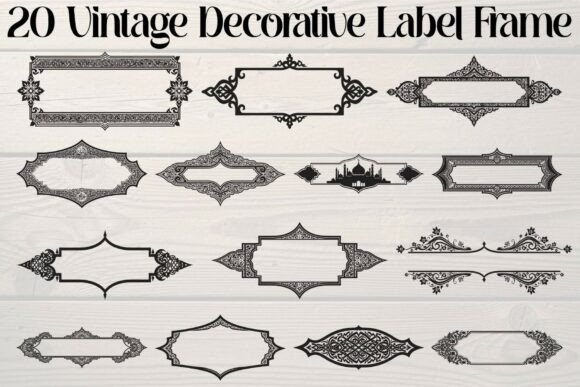
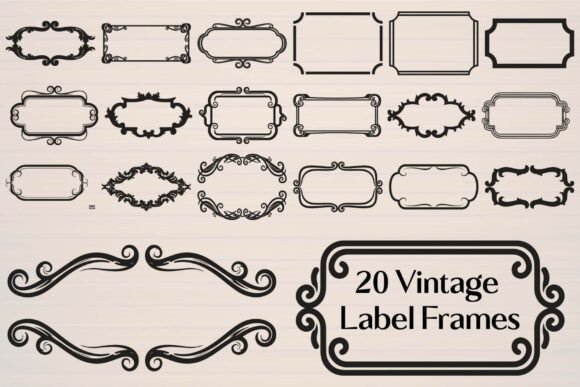
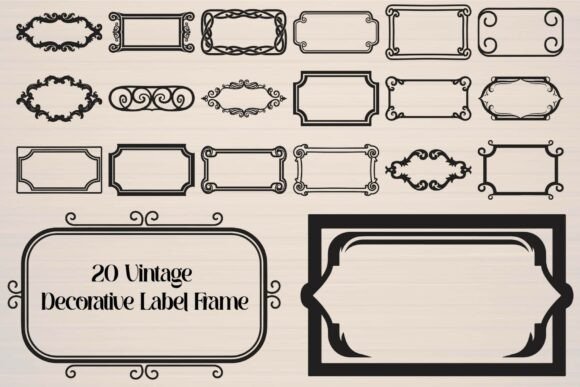
This collection of twenty distinct frames offers a compelling mix of bold, minimal, and ornamental styles. It feels less like a generic clip-art dump and more like a curated set of design assets intended for serious crafters and small business owners. The question isn’t just whether these designs are pretty—it is whether they translate well from screen to fabric, and whether they add enough perceived value to justify the time it takes to hooping, stitching, and finishing them.
First Impressions: Mood and Visual Personality
The moment you open the folder, the aesthetic direction is clear. These are not modern, geometric lines; they are rooted in nostalgia. The vintage label style inherently suggests authenticity, quality, and heritage. When you place one of these frames on a product, you are immediately signaling to the buyer that this item has character. It feels established, like something you might find on an old apothecary jar or a classic leather-bound book.
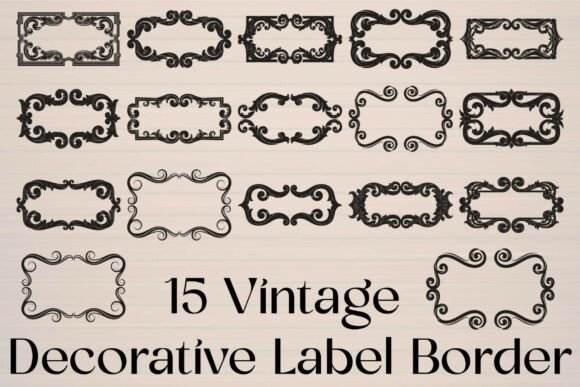
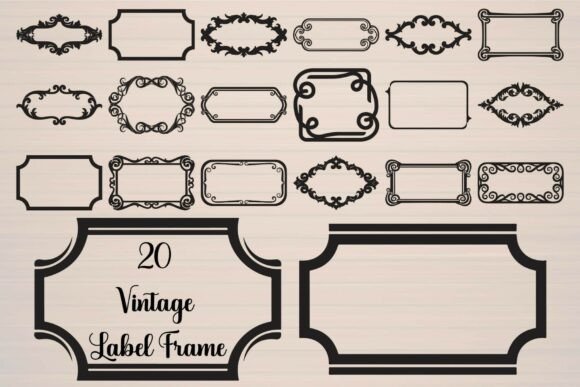
For designers working in the Crafts and Graphics niches, this mood is incredibly versatile. The variety within the bundle allows you to pivot between different brand voices without switching vendors. You have ornate, heavy-border options that demand attention, perfect for boutique branding or high-end gift packaging. Then there are the minimal frames that whisper rather than shout, ideal for subtle personalization on baby clothes or understated home decor. This range gives you the flexibility to maintain brand consistency across different product lines while keeping your inventory fresh.
Real-World Application: From Hoop to Hand
Let’s talk about where this design truly shines. I recently had a project in mind for a custom embroidered tote bag for a local artisan market. The goal was to create a piece that felt both functional and artistic—a handmade product that customers would want to carry around as a walking advertisement for the maker. I selected a mid-range ornamental frame from the Vintage Decorative Label Frames collection to serve as the central focal point.
Stitching this out revealed its strengths. The clean lines of the frame provided a structured boundary that helped organize the rest of the design elements. Whether you are adding a monogram inside the frame or placing a small floral motif outside it, the label shape acts as a visual anchor. It guides the eye and creates a sense of balance that is often hard to achieve on curved surfaces like tote bags or sweatshirt embroidery.
I also tested the design on a heavy cotton canvas for an embroidered patch. The vintage aesthetic paired beautifully with the rugged texture of the material. It gave the patch a worn-in, authentic look right out of the machine. This kind of synergy between design theme and material choice is what separates amateur work from professional-grade output. For an Etsy seller, this translates directly to higher conversion rates because the finished product looks intentional and polished.
Beyond Totes: Versatility in Home and Apparel
While totes are a staple, the utility of these frames extends far beyond bags. Consider using a delicate, lacy frame on a linen kitchen towel for a wedding gift. The combination of soft fabric and intricate vintage detailing creates a romantic, timeless feel that appeals to buyers looking for personalized gifts. Similarly, placing a bolder, thicker frame on a nursery wall hanging can create a striking contrast against light-colored walls, serving as a durable and decorative element in a child’s room.
For those in the apparel decorating space, these frames work exceptionally well on caps and hats. However, this requires careful planning. The circular nature of many cap panels means you need a frame that won’t get distorted or lost in the curve. The minimal versions in this bundle are particularly safe bets here, offering definition without overwhelming the limited surface area.
Where to Exercise Caution
No design is flawless, and understanding the limitations is part of being a professional. There are specific scenarios where the Vintage Decorative Label Frames might present challenges that require extra attention.
Hoop Size and Detail Level: If you attempt to stitch a highly ornate frame in a very small hoop size, you risk losing the intricate details. Tiny flourishes can merge together, creating a dense mass of thread that lacks clarity. Always check the recommended hoop size for each specific design in the bundle. If you are working with a 4x4 inch hoop, stick to the simpler, cleaner lines. Save the complex, lace-like frames for larger hoops where the machine has room to breathe.
Fabric Texture and Stability: Embroidering on textured fabrics, such as chunky knits or heavily woven linens, can obscure fine details. The thread may sink into the fabric weave, dulling the sharpness of the frame’s edges. In these cases, using a proper stabilizer is non-negotiable. A cut-away stabilizer is often best for maintaining the structure of the frame over time, especially if the item will undergo frequent washing.
Thread Color Contrast: Vintage frames often rely on subtle variations in line weight to convey elegance. If you choose a thread color that is too close to the fabric color, the design will disappear. Conversely, a stark contrast might look harsh against the delicate aesthetic. Test your thread colors on scrap fabric first. A slightly muted or heathered thread often complements the vintage vibe better than a bright, neon polyester thread.
Practical Designer Notes for Production
Before you rush into a large batch order for your craft business, follow these practical steps to ensure quality control.
- Test Stitch Density: Review the stitch density settings in your embroidery software. Vintage designs can sometimes be programmed with overly dense fill stitches, which can make the final product stiff and prone to puckering. Adjusting the density can soften the hand-feel of the garment, making it more comfortable for the end user.
- Black and White Mockups: Convert your design to black and white in your editing software. This helps you see the actual shapes and negative space without the distraction of color. If the silhouette reads clearly in grayscale, it will likely read clearly in color on fabric.
- Commercial Licensing: As a small shop product creator, you must confirm the licensing terms. Does the purchase allow you to sell the finished physical items? Can you use the digital file in printable mockups? Clarifying this upfront protects your business from legal issues later.
- Inspection of Corners: Zoom in on the corners of the frame. Are there any overlapping paths that might cause the machine to jump excessively? Excessive jumping increases the risk of thread breaks and snags. Cleaning up minor vector errors in your digitizing software before stitching can save you hours of troubleshooting.
Final Verdict
The Vintage Decorative Label Frames bundle is a strong addition to any designer’s library. It delivers on its promise of versatility, offering styles that range from ornate to minimal. When applied correctly, these designs elevate simple products into memorable keepsakes. They work beautifully for holiday embroidery, commercial embroidery projects, and everyday embroidery project needs.
However, success depends on execution. By respecting the limits of hoop size, choosing appropriate fabrics, and paying attention to stitch density, you can leverage these frames to create professional, high-value goods. For the digital embroidery file collector, this bundle offers excellent ROI, providing twenty unique assets that can generate dozens of different finished product variations. It is a smart, practical investment for anyone serious about their handmade craft.