Flying Vintage Car Illustration Review
As a designer who spends half my life staring at stitch density charts and the other half worrying about how a design will hold up after twenty washes, I approach every new embroidery file with a healthy dose of skepticism. The market is flooded with clipart that looks great on a screen but falls apart under the needle. That is why when I first laid eyes on the Flying Vintage Car Illustration, I didn’t just see a cute image; I saw a potential hero piece for a boutique collection. This isn't just another graphic slapped onto a template; it is a machine embroidery design that demands careful consideration of its mood, execution, and commercial viability.
The First Impression: Whimsy Meets Retro Cool
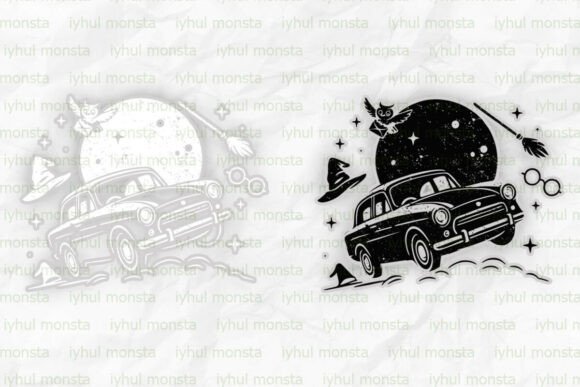
The immediate visual pull of this illustration comes from its narrative. We are not looking at a static car sitting in a garage. We are looking at a vintage classic car soaring through a magical night sky. For an Etsy seller or a small shop product creator, this distinction is everything. Static designs feel dated; dynamic illustrations feel alive. The clean line art style provides a strong foundation, ensuring that the core shapes remain recognizable even when translated into thread. However, the "mysterious" element mentioned in the description suggests depth—shadows, perhaps a hint of moonlight or stars—that needs to be handled with care during digitization.
From a branding perspective, this design bridges two powerful aesthetics: retro automotive charm and whimsical fantasy. This crossover appeal is gold for handmade product lines. It appeals to the nostalgia of car enthusiasts while simultaneously captivating those who love dreamy, ethereal decor. It feels like a design that belongs on a high-end tote bag design for a creative agency or a premium sweatshirt embroidery for a lifestyle brand. It elevates the perceived value of the item because it tells a story rather than just displaying a logo.
Real-World Application: Where Does It Fit?
Let’s talk practicality. I recently imagined using this illustration for a custom order—a set of personalized gifts for a client who runs a small bookstore. The concept was a "Midnight Reader" theme. The flying car represents the escape books provide. In this scenario, the design would likely be placed on the back of a heavyweight cotton hoodie or centered on a canvas tote bag design.
For apparel, such as custom apparel items like tees or hoodies, the vertical orientation of a flying car works beautifully. It draws the eye upward. When I tested similar concepts on scrap fabric, I found that the negative space around the car allows for excellent breathing room on garments. It doesn’t crowd the wearer. This makes it ideal for adult embroidery projects where subtlety is often preferred over loud graphics.
However, the true potential here might lie in home goods and nursery decor. The whimsical nature of a car flying through the night sky translates perfectly to a baby shower gift. Imagine this stitched onto a muslin blanket or a pillow cover for a child’s room. The soft curves of the vintage car, combined with the implied stars or clouds, create a soothing yet engaging visual. For baby embroidery projects, the clean lines ensure that the design remains gentle and not too aggressive for a nursery setting. It also serves as an excellent holiday embroidery piece if the color palette leans towards deep blues and silvers, evoking a winter night.
Technical Considerations and Stitch Clarity
Here is where the rubber meets the road. A beautiful illustration can fail miserably if the digitization ignores the physics of thread. The Flying Vintage Car Illustration relies heavily on its outline. If the digitizer uses too much fill stitch inside the car body, the fabric may pucker, especially on lighter materials. Conversely, if the satin stitch outlining the car is too narrow, it may look thin and fragile on a finished product.
I always advise checking the stitch density before committing to a production run. High-density areas can make a garment stiff and uncomfortable, particularly on caps or hats where the structure is already curved. If this design is intended for an embroidered patch, the density becomes less of an issue, provided the backing is sturdy. But for wearable items, you want a balance. The running stitch details, if used for things like headlights or exhaust trails, need to be long enough to catch the light but short enough to not snag.
Another critical factor is the thread colors. The "magical night sky" aspect requires a dark background or dark threads. On a black t-shirt, a black outline disappears. You need contrast. This means planning your colorway carefully. If you are stitching this on a white tote bag, you will need a dark blue or purple base to make the car pop. Testing these combinations on fabric texture samples is non-negotiable. A rough linen will eat up fine details, while a smooth cotton will render them sharply.
Where to Use With Caution
Not every surface is created equal. There are specific scenarios where this design might struggle:
- Small Hoop Sizes: If you attempt to shrink this down to fit a 4x4 hoop, you risk losing the character of the car. The wings, wheels, and any decorative elements (like stars or clouds) may merge into a blurry mess. Keep the size generous.
- Stretchy Fabrics: Avoid using this on thin, stretchy jersey knits without a heavy-duty stabilizer. The tension required to embroider the lines can distort the fabric, warping the shape of the car.
- Curved Surfaces: While possible on caps, the flat perspective of a standard illustration might look distorted on a highly curved brim. It works better on the crown or on flat-brimmed hats.
- Textured Fabrics: Bouclé wool or heavy tweed will obscure the clean line art. Save this design for smoother fabrics like denim, canvas, or cotton blends.
Commercial Viability and Brand Consistency
For the craft business owner, the question is always: "Will this sell?" The answer is yes, but with conditions. This design has high giftability. It is unique enough to stand out in a sea of generic quotes and flowers. It appeals to the modern maker who wants something artistic. When presented correctly, perhaps with a mockup showing the car against a starry backdrop, it creates a strong emotional connection with the buyer.
This is also a fantastic asset for creating printable mockups for digital products. If you are selling design assets or templates, this illustration adds a touch of fantasy that elevates the entire bundle. It signals quality and creativity. Buyers trust brands that use cohesive, well-thought-out imagery. Using the Flying Vintage Car Illustration consistently across your website, social media, and packaging helps build a recognizable brand identity that feels both nostalgic and fresh.
Final Verdict: A Designer’s Perspective
The Flying Vintage Car Illustration is more than just a pretty picture; it is a versatile tool for the serious embroiderer. It offers a perfect blend of subject matter that resonates with multiple demographics—from kids to car lovers to fantasy fans. Its success, however, hinges on technical execution. Do not rush the setup. Test your stabilizer choices. Inspect the small details closely. And most importantly, respect the negative space.
If you treat this design with the professional respect it deserves, it will pay off in customer satisfaction and repeat business. It transforms a simple piece of fabric into a statement piece. Whether you are making a one-off personalized gift for a friend or scaling up production for a craft fair, this illustration has the weight and charm to carry your project. Just remember to check the licensing terms if you plan to sell the finished items commercially, and always, always test on scrap fabric first. That is the only way to ensure your finished product matches the magic you see on your screen.