Happy Daisy Smiley Face Design: A Designer’s Review
In the world of machine embroidery, finding a design that balances simplicity with genuine charm is often harder than it looks. Too many files feel generic, while others are so intricate they lose their soul when stitched. That is exactly why I decided to put Happy Daisy Smiley Face Design through its paces. As a designer who frequently creates assets for small businesses and personal gifts, I look for pieces that offer immediate visual appeal without demanding excessive hoop space or complex setup. This particular file caught my eye because it sits right at that sweet spot: cheerful, retro, and undeniably marketable.
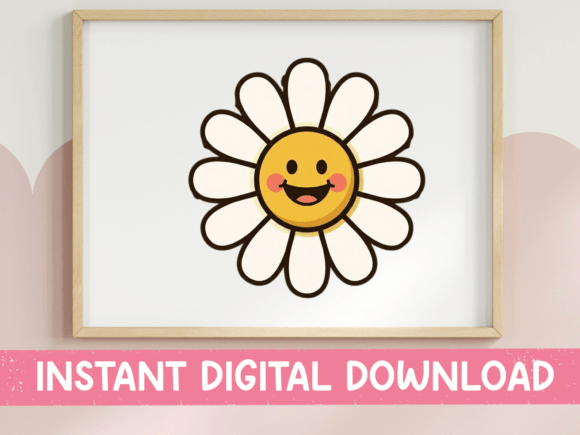
The concept is straightforward but effective. It features a large white daisy with a golden yellow center, where the core of the flower transforms into a smiling smiley face complete with rosy pink cheeks. The entire illustration is outlined in bold black, which immediately signals to me that this design prioritizes clarity and definition. For an embroidery project intended for mass production or quick turnaround, that bold outline is a lifesaver. It ensures the motif remains recognizable even if the stitching isn’t perfect or if the fabric has a slight texture.
First Impressions and Visual Personality
When you first load the embroidery file into your digitizing software, the mood is instantly uplifting. This isn’t just a flower; it’s a character. The combination of the classic daisy shape with the vintage smiley face taps into a nostalgic aesthetic that resonates strongly with current trends. It feels like something you would see on a 1970s surf shirt or a modern boho-style tote bag. The use of bright, primary-adjacent colors—white, gold, pink, and black—creates high contrast, which is crucial for stitch density management.
From a design perspective, the layout is centered and balanced. There are no awkward negative spaces that might confuse the embroidery machine. The bold outline acts as a container, keeping the fill stitches contained and preventing them from bleeding over into unwanted areas. This is particularly important when working with fabric texture that might shift during the stitching process. The design feels confident. It doesn’t try to be overly delicate; instead, it embraces a graphic quality that works exceptionally well in both machine embroidery design contexts and as a standalone graphic element.
Real-World Application: Where This Design Shines
I’ve been thinking about how this design translates to actual products, not just digital mockups. My immediate thought was a custom embroidered tote bag. Imagine a natural canvas tote with this design centered on the front panel. The white petals will pop against the beige background, and the black outline will provide a crisp frame. It’s a tote bag design that screams “summer festival” or “local craft fair.” It’s approachable, friendly, and photogenic, which are key traits for driving engagement on platforms like Instagram or Pinterest.
Beyond totes, this embroidery project is versatile enough for apparel. A sweatshirt embroidery application on a cream or light gray hoodie would look fantastic. The retro vibe pairs perfectly with casual wear. However, I also see potential in smaller items. An embroidered patch version of this could work beautifully on denim jackets or beanies. The compact nature of the daisy means it doesn’t require a massive hoop, making it efficient for production runs.
For those running a craft business or operating as an Etsy seller, this design offers strong commercial viability. It fits seamlessly into categories like nursery decor, baby clothes, and holiday gifts. The smiley face adds a layer of personality that makes for a great personalized gift. Parents love buying items for their children that have a touch of whimsy, and a happy daisy is non-threatening and universally liked. It also works well as part of a themed collection—perhaps paired with other floral or retro designs for a cohesive shop aesthetic.
Technical Considerations and Fabric Compatibility
While the design is robust, there are specific scenarios where caution is required. First, consider the fabric choice. Because the design relies heavily on color contrast, it performs best on light-colored fabrics. Using this on dark fabric would require extensive underlay or a heavy backing to prevent the white petals from looking muddy. If you are working with dark fabric, you might need to add a white base layer, which increases stitch count and processing time.
Another critical factor is the stability of the material. This design includes fill stitches for the yellow center and pink cheeks. These areas need a stable foundation to prevent puckering. Always use a proper stabilizer appropriate for your fabric type. For stretchy fabrics like jersey knits used in t-shirts or baby onesies, a cut-away stabilizer is essential to maintain the integrity of the smiley face’s shape after washing. On woven fabrics like cotton or linen, a tear-away may suffice, but testing is always recommended.
Avoid using this design on highly textured fabrics, such as thick towels or bouclé wool, unless you are experienced with stabilization techniques. The bold outline might get lost in the weave, and the small details of the smiley face could become distorted. Additionally, be mindful of the hoop size. While the design is relatively compact, ensure your hoop can accommodate the full width of the daisy without cropping the outer petals. If you are planning to place this on a curved surface like a cap, remember that flat designs can sometimes distort on curves. You may need to adjust the digitization slightly to account for the curvature of the hat.
Practical Notes for the Embroidery Designer
Before committing this digital embroidery file to a final product, I strongly advise running a test stitch on scrap fabric. This allows you to inspect the thread colors and check for any potential issues with the satin stitch borders. Pay close attention to the transition between the white petals and the black outline; sometimes, if the tension is off, the black thread can show through the white, creating a halo effect. Adjusting the tension or switching to a higher-quality polyester thread can mitigate this.
It is also worth converting the design to a black-and-white preview in your software. This helps you evaluate the overall composition and balance without being distracted by the colors. Does the smiley face still read clearly? Is the daisy shape distinct? This step is invaluable for ensuring the design maintains its impact regardless of the thread palette you choose.
Furthermore, confirm the licensing terms before selling finished items. Even though this is categorized under Crafts and Graphics, commercial rights vary. Ensure you have the necessary permissions to produce and sell products made with this design. This protects your small shop product business from legal issues and builds trust with your customers.
Final Verdict
Happy Daisy Smiley Face Design is a solid, well-constructed addition to any embroidery library. It successfully merges a classic botanical motif with a playful graphic element, resulting in a piece that is both aesthetically pleasing and commercially viable. Its bold outlines and simple color palette make it forgiving for beginners yet professional enough for seasoned artisans. Whether you are creating a one-off personalized gift for a friend or producing inventory for your online store, this design delivers consistent results. It enhances the perceived value of handmade products by adding a touch of warmth and nostalgia that customers connect with emotionally. For anyone looking to expand their range of custom apparel or home goods, this is a reliable and charming choice.