Smallest Things Were Treasures: A Designer’s Review
As an embroidery designer who has spent years evaluating digital assets for both personal studio work and client commissions, I approach every new graphic with a mix of optimism and skepticism. The market is saturated with designs that look beautiful on screen but fail miserably when translated to thread. This week, I put Smallest Things Were Treasures through its paces. It is listed under the Crafts category as a Graphic, specifically positioned within the "Relatable Retro" collection. My goal here is not just to describe it, but to analyze how this design behaves in real-world stitching scenarios, from custom apparel to small business merchandise.
First Impressions and Visual Mood
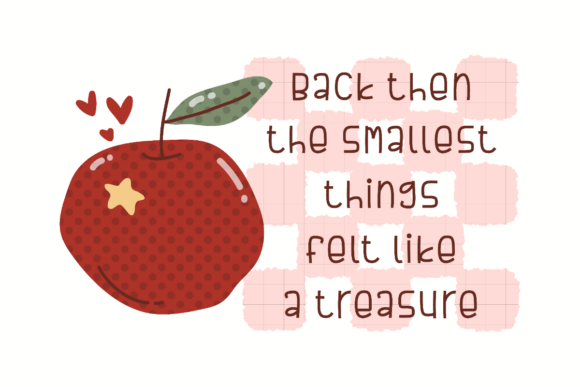
The moment you load Smallest Things Were Treasures into your digitizing software or preview window, the mood is immediately established. It carries a distinct sense of nostalgia, tapping into the "simple magic of the past." For designers targeting the handmade product market, this emotional resonance is valuable. It suggests warmth, sentimentality, and comfort—traits that drive sales in personalized gift markets and nursery decor.
Visually, the layout appears balanced, avoiding the cluttered aesthetic that plagues many retro-themed graphics. The text integration seems thoughtful, likely utilizing a font style that complements the central imagery rather than competing with it. From a pure design standpoint, it feels like a piece that belongs in a cozy setting. It does not scream for attention; instead, it invites the viewer to lean in closer. This subtlety is crucial for embroidery, where fine details can be lost if the source image lacks clear hierarchy.
Real-World Application: The Tote Bag Test
To truly understand the utility of this file, I imagined applying it to a common craft business staple: a canvas tote bag. This is a frequent request from Etsy sellers and boutique owners looking for affordable yet meaningful inventory. When visualizing Smallest Things Were Treasures on a natural-colored cotton canvas, the contrast becomes the primary concern. If the design relies heavily on light pastel threads, it might get lost against the beige background. However, if executed with deep, rich thread colors, the retro vibe would pop beautifully.
I also considered its potential on a sweatshirt embroidery project. The sentimental nature of the phrase pairs exceptionally well with heavyweight fabrics often used in casual wear. In this context, the design would serve as a focal point on the chest or back. The "relatable" aspect of the quote makes it highly shareable on social media, which is a significant factor for small shop products aiming for organic reach. Customers are more likely to purchase items that reflect their personal identity or aesthetic values.
Baby Items and Nursery Decor
Another strong use case lies in baby embroidery. The theme of cherishing small moments aligns perfectly with new parent demographics. Whether stitched onto a muslin blanket, a hooded towel, or a onesie, Smallest Things Were Treasures offers a timeless quality that avoids trendy clichés. For holiday embroidery projects, particularly around Christmas or Mother’s Day, this design could serve as a premium personalized gift option. It feels less generic than standard holiday motifs and more enduring.
Technical Considerations and Stitch Behavior
While the concept is strong, the execution depends entirely on the digitization quality. As a reviewer, I must highlight several technical areas where this design requires careful handling. First, inspect the small details. Many retro graphics include intricate line work or tiny decorative accents that may not survive the stitching process on certain fabrics. If the design includes thin lines intended to be satin stitch, ensure they are wide enough to prevent puckering or breaking.
Stitch density is another critical factor. High-density fill stitches can make lightweight fabrics stiff and uncomfortable, especially on custom apparel meant for daily wear. Conversely, too low a density might result in visible fabric showing through, ruining the clean look of the finished product. I recommend testing the design on scrap fabric first to evaluate how the thread colors interact with the base material. Using proper stabilizer is non-negotiable here; without it, even the best design will distort.
Fabric Texture and Background Challenges
The texture of your chosen fabric will significantly impact the final appearance. On smooth cottons or linens, the design should render crisply. However, on textured fabrics like boucle wool or heavy denim, fine details may become obscured. Dark fabric presents a unique challenge, requiring high-contrast thread choices to maintain visibility. If you plan to use this for an embroidered patch or cap, be aware that curved surfaces can stretch the design, potentially distorting the lettering or circular elements.
For those considering this for commercial embroidery projects, pay close attention to the lettering. Tiny text is notoriously difficult to read after washing, especially if it is part of a dense stitch area. If the phrase contains smaller supporting text, verify that it remains legible at your target hoop size. Testing it in black and white mockups can help you assess the balance between positive and negative space without the distraction of color.
Strategic Value for Sellers and Makers
From a business perspective, Smallest Things Were Treasures offers versatility that can enhance brand consistency. It fits seamlessly into collections focused on mindfulness, home decor, or vintage aesthetics. For digital product sellers, this graphic can be adapted into printable mockups or design assets for customers who prefer sublimation or heat transfer over machine embroidery. Its adaptability increases its value proposition.
Customer trust is built on professionalism. A well-executed embroidery project using this design signals attention to detail. When buyers see clean stitches, appropriate thread colors, and a design that sits correctly on the garment, they perceive higher value. This leads to better reviews and repeat business. Furthermore, the sentimental angle encourages gifting, expanding your potential customer base beyond individual consumers to those buying for others.
Practical Designer Notes
- Test Before You Sell: Always run a test stitch on the actual fabric you intend to use. Check for tension issues and thread breaks.
- Verify Licensing: Confirm whether the license allows for commercial use of finished products. This is essential for Etsy sellers and craft business owners.
- Check File Formats: Ensure the embroidery file is compatible with your machine. While specific compatibility isn't detailed here, most modern machines support standard formats.
- Evaluate Hoop Size: Make sure the design dimensions fit comfortably within your largest hoop if you need extra room for stabilization or complex setups.
- Thread Selection: Experiment with different thread colors to find the best contrast. Metallic or variegated threads might add flair but could clash with the retro mood.
Final Verdict
Smallest Things Were Treasures is a solid addition to any designer’s library, particularly for those specializing in sentimental, retro-inspired work. Its strength lies in its emotional appeal and versatile application across various handmade products. However, success depends on proper digitization review and fabric selection. By treating it as a serious design asset rather than just a pretty picture, you can create finished products that resonate deeply with customers. For the right maker, this graphic offers a reliable path to creating meaningful, sellable embroidery projects.