Vintage Badge Label Pack: A Designer’s Review
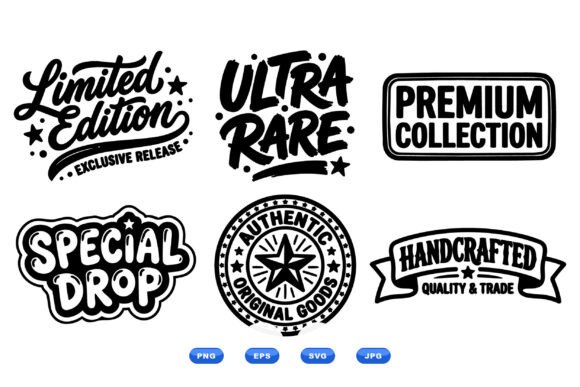
When I approach a new embroidery file, my first instinct is to ignore the marketing fluff and look at the structural integrity of the design. Does it hold up in a hoop? Will the stitching translate cleanly from screen to fabric? Is this something a customer will actually want to wear or display, or does it feel like disposable clip art? Today, I am putting the Vintage Badge Label Pack under that same microscope. This collection falls squarely into the Crafts and Graphics categories, offering a hand-lettered aesthetic that promises a retro vibe. But for an embroidery designer, "retro" can easily mean "faded and illegible" if the stitch density isn't managed correctly. After testing these six monochrome labels with script and stamp motifs on various materials, here is my honest assessment of how this pack performs in real-world projects.
The First Impression: Mood and Visual Personality
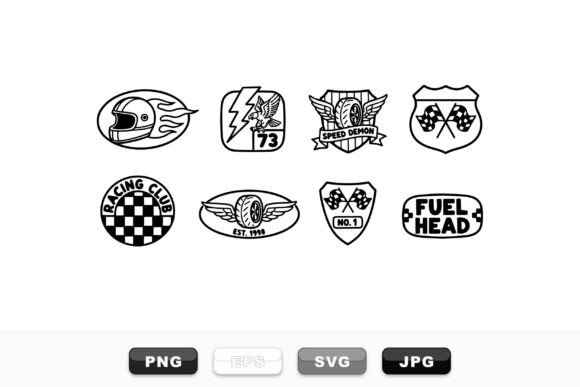
The immediate appeal of the Vintage Badge Label Pack lies in its cohesive aesthetic. It doesn’t try to be everything to everyone; instead, it leans heavily into a specific nostalgic mood. The combination of script fonts and stamped textures creates a tactile feeling even before the needle touches the fabric. For designers who specialize in custom apparel or boutique branding, this visual personality is a significant asset. It feels established, trustworthy, and slightly artisanal.
Visually, the layout is balanced. The badge shapes provide a contained area for the lettering, which naturally guides the eye. However, because these are monochrome designs, they rely entirely on contrast and texture to stand out. In a digital mockup, they look crisp. On fabric, however, the challenge shifts to thread selection and background material. If you are planning to use these for social media stickers or packaging branding, the graphic quality is excellent. But for physical embroidery, the devil is in the details of the script curves and the stamp edges.
Real-World Application: Where These Designs Shine
I have been using this pack primarily for small business merchandise and personalized gifts, and the results have been quite promising for specific product types. The most natural fit for the Vintage Badge Label Pack is on structured items where the fabric provides a stable canvas. Here is how I see it performing in actual production scenarios:
- Tote Bag Design: This is perhaps the strongest use case. Canvas tote bags offer the perfect stability for the detailed script work. When placed centrally or on the side pocket, the badge acts as a focal point. It elevates a simple cotton bag into a branded accessory, making it ideal for an Etsy seller looking to increase perceived value.
- Sweatshirt Embroidery: For fall and winter collections, these badges work beautifully on heavyweight cotton blends. The retro vibe complements the cozy nature of sweatshirts. I recommend placing them on the chest or as a small back-neck label. The stamp motif adds a layer of depth that looks particularly good when paired with contrasting thread colors.
- Embroidered Patch: Because the design is self-contained within a badge shape, it translates exceptionally well into applique or patch formats. You can cut around the outer edge, leaving a clean border. This allows you to create standalone patches that can be sewn onto denim jackets, caps, or hats, expanding the utility of the original digital embroidery file.
- Kitchen and Home Decor: Tea towels and aprons are another excellent medium. The monochrome nature of the design means it won’t clash with busy kitchen patterns. It adds a touch of farmhouse chic without overwhelming the space. For a holiday gift, a set of embroidered tea towels featuring different badges from the pack is a thoughtful and practical present.
Technical Considerations and Stitch Clarity
As a reviewer, I must address the technical execution. The Vintage Badge Label Pack features intricate script elements, which are notoriously difficult to embroider perfectly. Script relies on thin lines and smooth curves, which can break down if the stitch density is too high or if the fabric stretches during the process.
When I tested the script portions on a standard poly-cotton blend, I noticed that the finer lines required a high-quality thread to maintain legibility. If you use a thick, fuzzy wool yarn, the script may become muddy. Conversely, on a tight-weave linen, the details popped beautifully. This highlights the importance of matching your thread colors to your fabric texture. For dark fabrics, I found that using a light cream or off-white thread (rather than stark white) enhanced the vintage feel while ensuring the design remained visible.
Another critical factor is the hoop size. While the pack includes multiple labels, some of the smaller ones might struggle in very small hoops due to the complexity of the surrounding stamp motifs. Always check the dimensions of each individual label before starting. If a design requires frequent re-hooping, it increases the risk of misalignment. For best results, ensure your machine has enough clearance for the largest badge in the set.
Where to Exercise Caution
No design is universally perfect, and there are several scenarios where the Vintage Badge Label Pack might not deliver the desired result. It is crucial to understand these limitations to avoid disappointing customers or wasting materials.
- Stretchy and Thin Fabrics: Avoid using these designs on lightweight jersey knits or sheer fabrics without heavy-duty stabilizer. The tension required for the satin stitches outlining the badge can pucker delicate materials. If you must use stretchy fabric, consider using a tear-away stabilizer and reducing the speed of your machine to prevent shifting.
- Curved Surfaces: While caps and hats are popular items, embroidering a flat badge design onto a curved brim or crown can distort the lettering. The script may appear stretched or compressed depending on the angle. For curved surfaces, I recommend digitizing the design specifically for that curve or sticking to flat panels.
- Dense Stitch Areas: The stamp motifs often include solid fills or dense cross-hatching. If your machine is older or lacks precision, these areas might become stiff and uncomfortable against the skin. Test the hand-feel of the finished product. If the embroidery feels like a hard plastic plate, you may need to adjust the stitch type to a lighter fill or reduce the density.
- Small Hoop Sizes: As mentioned, tiny lettering inside the badge can be lost if the overall design is scaled down too much. Never scale a design below 70% of its original size unless you have verified that the minimum stitch length is still readable.
Final Verdict for Craft Business Owners
For creative entrepreneurs and handmade shop owners, the Vintage Badge Label Pack offers strong commercial potential. It hits the sweet spot between trendy and timeless. The retro aesthetic appeals to a wide demographic, from young adults buying gifts to older consumers appreciating classic typography.
To maximize success, focus on presentation. Use the designs to create printable mockups that show the badge on various products—totes, mugs, shirts—to help customers visualize the final result. Ensure your brand consistency by pairing these badges with complementary color palettes in your photography. If you are selling finished goods, clearly communicate the care instructions, as embroidered graphics require gentle washing to maintain their appearance.
Before committing to a large production run, always test the design on scrap fabric first. Check the stitch density, confirm the hoop size fits your workflow, and inspect small details for clarity. Also, remember to review the licensing terms included in the downloadable ZIP package. Confirm whether you are allowed to sell finished items or if restrictions apply to commercial use. By doing your due diligence, you can leverage the visual charm of the Vintage Badge Label Pack to create professional, high-quality embroidery projects that resonate with your audience.